Lane 01
Leaks & emergency repairs
Water where it should not be. We isolate first, make the property safe, then repair — usually in the same visit, because the van carries the common fittings rather than a catalogue.

We are a small workshop of time-served plumbers taking on household repairs, bathroom installs and heating faults — quoted before we start, pressure tested before we leave.
Most households call us for one of four things. Each lane below lists the jobs we actually carry parts for, so you can tell before booking whether we are the right trade for your problem.
Water where it should not be. We isolate first, make the property safe, then repair — usually in the same visit, because the van carries the common fittings rather than a catalogue.
Swap-outs and full refits. We set out the pipework before anything is tiled, so the finished room is serviceable later without cutting into a wall you have just paid to finish.
Cold radiators, weak pressure, noisy systems. We diagnose the system rather than the symptom — a balancing problem and a failing pump look identical from the hallway and cost very different amounts.
Slow sinks, gurgling stacks and standing water outside. Clearing is the easy half; we also tell you what caused it, because a blockage that returns every season is a fall or a joint problem.
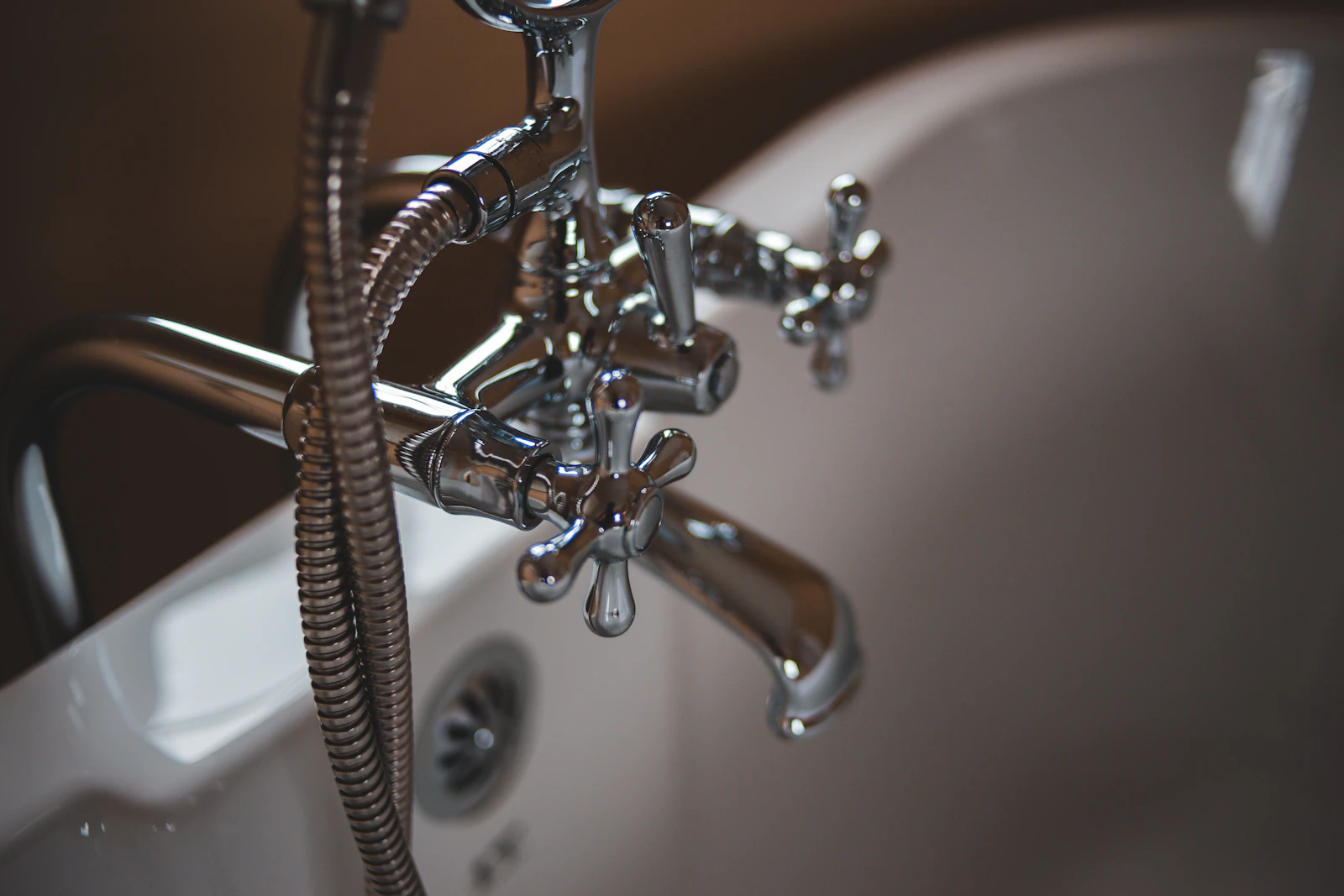
Copper, brass and proper clips — because the cheap fitting is the one you meet again in two winters.
Four steps, every job, from a dripping tap to a full bathroom. Knowing the order is usually enough to tell whether you need us today or next week.
Tell us what you can see and hear, and where your stop tap is. That single detail decides whether we talk you through isolating it now or schedule you properly.
You get a two-hour arrival window rather than a vague day. If the van is delayed on the job before yours, you hear it from us first.
We look, explain the cause in plain words, and write the price for the repair. If there is a cheaper temporary option, we will say so and let you choose.
The repair is run under pressure, joints checked dry, the work area cleared, and the old parts left with you if you want to see them.
No figures buried in small print and no quote that changes once the floor is up.

Finishing properly takes the last twenty minutes of a visit. It is the part most often skipped, and the part you notice a year later.
Turn the water off at the internal stop tap, usually under the kitchen sink or near the front door, and open the lowest cold tap in the house to drain the pipes down. If the ceiling is bulging, put a bucket under it and pierce the lowest point with a screwdriver — releasing the water is far less damage than letting the plaster come down in one go. Then keep everyone clear of that room until we get there.
There is a callout charge for attending, which covers travel and the diagnostic time, and we tell you the figure when you book rather than on the doorstep. If you go ahead with the repair on the same visit, that charge forms part of the job price rather than sitting on top of it.
Cold at the top usually means trapped air, and bleeding the radiator will often fix it in a few minutes with a bleed key. Cold at the bottom is a different problem — that is sludge collecting in the radiator and generally needs a flush. If several radiators are cool in the same part of the house while others run hot, the system needs balancing rather than parts, which is an hour of work, not a new boiler.
Yes, and plenty of customers do. Send us the model before you order and we will tell you whether it will work with your water pressure and existing pipe centres — that check takes two minutes and saves the common disappointment of a beautiful shower that dribbles. We guarantee our workmanship on supplied items but cannot warrant the item itself.
A straightforward swap of like-for-like fittings is usually a day or two. A full refit where the room is stripped, pipework re-routed and everything re-tiled runs across a working week or more, and there will be a day or two mid-job where the room is unusable while tiling cures. We will give you the sequence in writing before we start so you know which nights you need another bathroom.
No — a blockage that returns on a schedule is telling you something structural. Common causes are a shallow fall on the run, a displaced joint catching debris, or roots finding a crack. Clearing it buys a few months; putting a camera down finds the reason and lets you decide whether to fix it properly or keep clearing. We will always tell you which one we think you actually need.
A short description is enough to get you in the diary with the right parts on the van. We reply with an arrival window and, where the job is predictable, an indication of price before we travel.
If water is actively escaping and you cannot isolate it, mark the enquiry as urgent — those are read first and slotted into the same day wherever the rota allows.